


CART
CHECKOUT
THANK YOU




24/7 Support
7434000639
Blogs
7 Powerful Ways to Reduce Plastic in Sacred Rituals
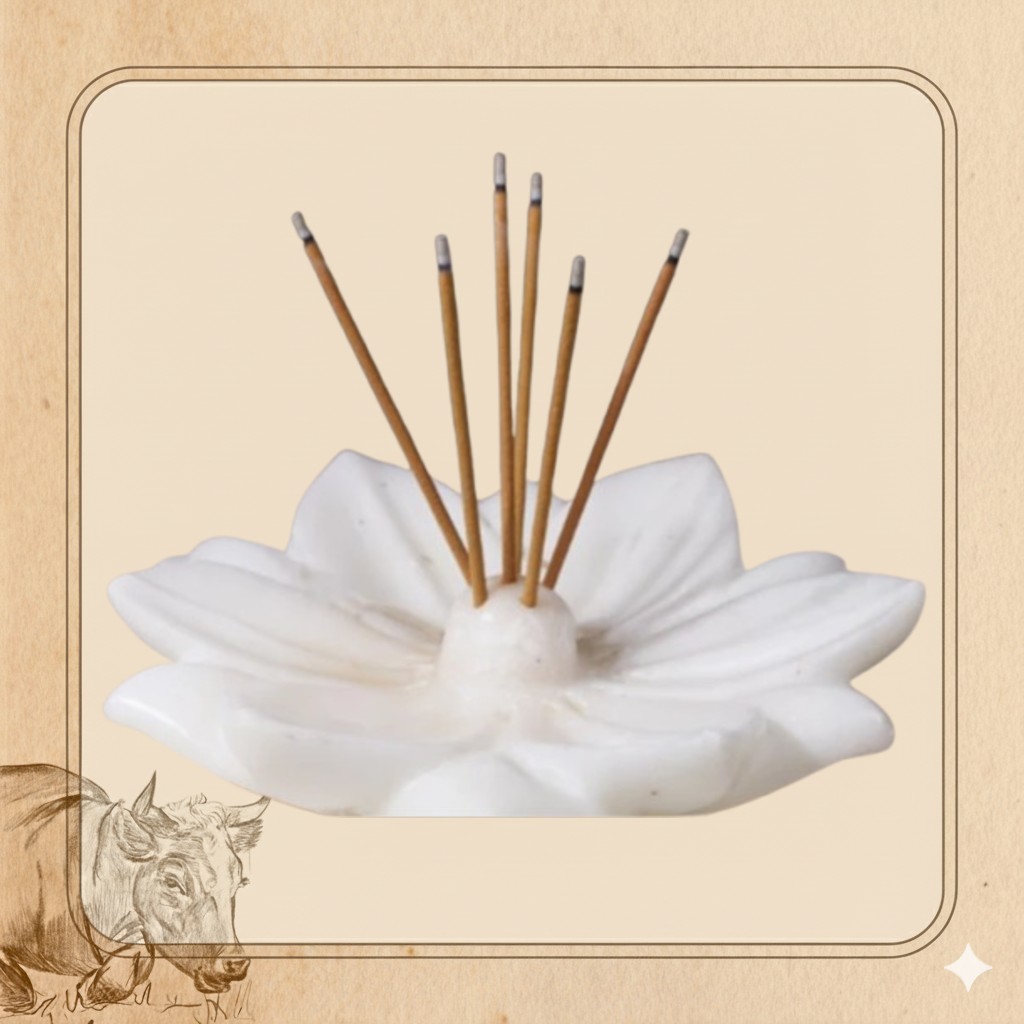
Sacred rituals have always been about connecting with something greater than ourselves. Yet in our modern world, plastic has quietly crept into our most meaningful ceremonies. From disposable plates at community gatherings to synthetic decorations on our altars, these materials can create a disconnect between our spiritual intentions and our environmental impact. The good news? Reducing plastic in rituals doesn't mean sacrificing the beauty or meaning of our practices. Instead, it can deepen our connection to both the divine and the natural world around us.
Why Plastic-Free Sacred Practices Matter
When we choose plastic reduction rituals, we're making a statement about what we value. Plastic production consumes significant resources and creates waste that persists for centuries. In sacred spaces, these synthetic materials can feel out of place alongside our deepest spiritual intentions. Think about the last time you held a plastic flower versus a real one. The difference goes beyond appearance. Natural materials carry energy, scent, and life force that synthetic alternatives simply cannot match. When we embrace eco-friendly rituals, we align our practices with principles of respect for creation and mindful consumption.
The Spiritual Benefits of Natural Materials
Using natural materials in our rituals creates a more authentic connection to the elements. Wood, stone, clay, and organic fibers have been part of human ceremonies for thousands of years. They ground us in tradition while supporting our commitment to sustainable living.
Environmental Impact of Ritual Choices
Every plastic item we avoid in our spiritual practice is one less piece contributing to environmental harm. Small changes in our ritual habits can create ripple effects in our daily lives, encouraging more conscious living overall.
Seven Transformative Ways to Create Plastic-Free Rituals
Transforming your spiritual practice doesn't require dramatic changes overnight. These seven approaches offer practical paths toward zero waste rituals that honor both your beliefs and the environment.
1. Natural Altar Decorations and Sacred Offerings
Replace plastic flowers with fresh blooms, dried herbs, or handcrafted fabric alternatives. Use wooden bowls, ceramic vessels, or gourds instead of plastic containers for offerings. Create garlands from real leaves, flowers, or natural fibers. These materials not only look more beautiful but also carry the life energy that enhances your spiritual connection.
2. Reusable Ceremonial Tools and Vessels
Invest in quality ritual implements made from glass, metal, wood, or ceramic. Choose bamboo utensils for food offerings and cloth bags for carrying supplies. When you consecrate these items for sacred use, they become powerful tools that grow in spiritual significance over time. This approach supports both sustainable rituals and deeper ritual meaning.
3. Zero-Waste Candle and Incense Practices
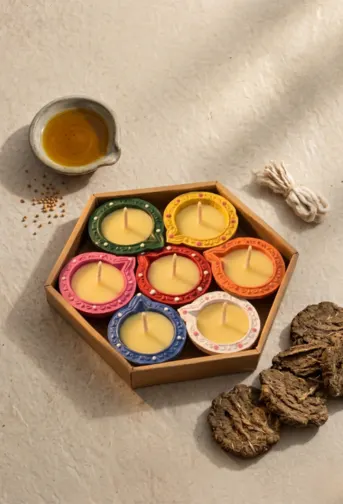
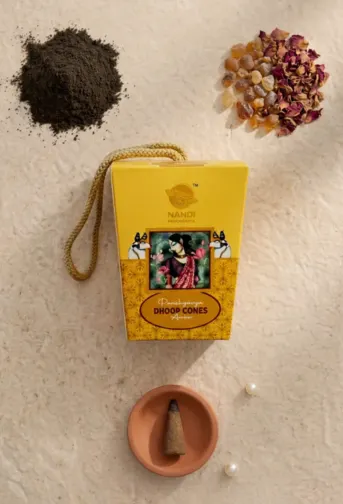
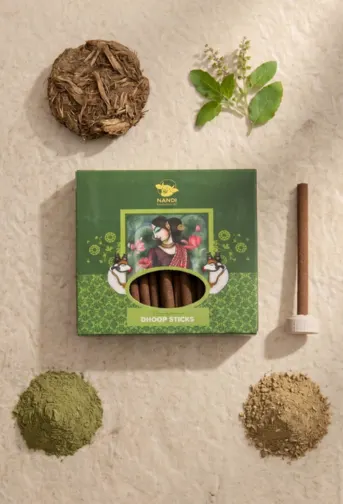
Select beeswax or soy candles in glass containers that can be repurposed. Make your own incense from herbs and natural resins. Create candle holders from clay, wood, or stone. These choices eliminate plastic packaging while creating more authentic aromatic experiences that support meditation and prayer.
4. Mindful Food and Beverage Offerings
Use glass jars and ceramic bowls for presenting food to the divine. Bring reusable water bottles and cups to group ceremonies. Buy ingredients in bulk to reduce packaging waste. After rituals, compost organic offerings to complete the natural cycle. This practice transforms even the practical aspects of ceremony into acts of environmental rituals.
5. Natural Fiber Ritual Clothing and Accessories
Choose garments made from cotton, linen, wool, or silk instead of synthetic fabrics. Select jewelry crafted from wood, stone, or metal rather than plastic alternatives. These natural materials feel better against the skin and connect you more deeply to the earth's gifts.
6. Plastic-Free Gift and Exchange Practices
Wrap gifts in fabric, handmade paper, or natural materials like leaves. Focus on giving experiences or handcrafted items rather than mass-produced plastic goods. Create meaningful exchanges that celebrate relationships without generating waste. This approach makes gift-giving more personal and spiritually significant.
7. Community Sharing and Resource Networks
Organize ritual tool libraries within your spiritual community. Share large items like altar cloths and ceremonial vessels. Create group purchasing arrangements for bulk sustainable supplies. Develop lending networks for special occasion items. This builds community bonds while reducing individual environmental impact.
Share


Most Popular
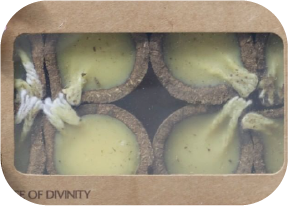
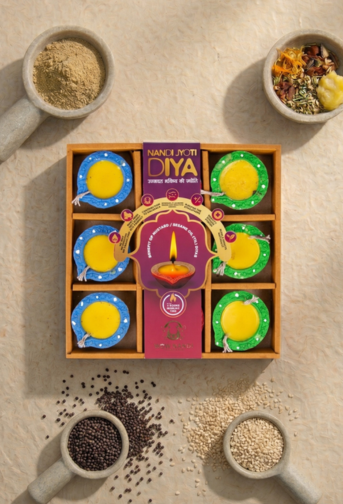
Nandi panchgavya diya
1000
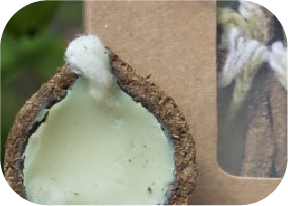
Nandi panchgavya diya
1000
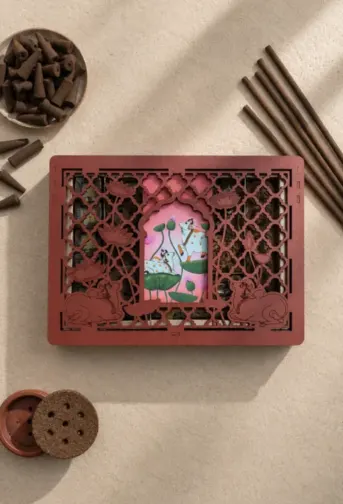
Nandi panchgavya diya
1000












































Quick links
Earn
Useful Links